Menu

Mind Games to Boost Proactive Thinking Outside the Box

This article explores how mind games enhance proactive thinking and foster innovative problem-solving skills. It highlights activities that challenge cognitive flexibility, promote creativity, and encourage collaboration, helping individuals in Nigeria navigate complex challenges effectively. Engaging in these games not only entertains but also cultivates necessary skills for personal and community growth.

Boost Your Daily Mood Positive Impact of Mental Games

Mental games significantly boost your daily mood by providing stress relief, enhancing focus, and fostering social connections. Engaging in these cognitive activities not only sharpens memory and creativity but also strengthens relationships, making them an effective tool for improving mental well-being and overall happiness. Embrace the positive impact of mental games in your life.

Using Mental Challenges to Enhance Group Dynamics Techniques Benefits

Utilizing mental challenges in team-building enhances group dynamics by improving communication, fostering creativity, and strengthening cohesion. These techniques not only boost problem-solving skills but also cultivate a collaborative environment, ultimately leading to increased motivation and productivity within diverse teams, especially in Nigeria's evolving business landscape.

Benefits of Solving Puzzles Regularly Boost Brain Power Focus

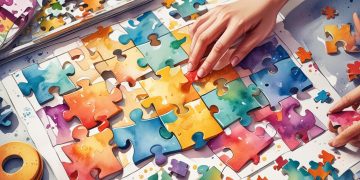
Engaging in puzzles regularly not only boosts brain power but also enhances focus and cognitive function. This enjoyable activity fosters problem-solving skills, improves memory retention, reduces stress, and promotes social connections, making it a valuable tool for mental agility and overall well-being. Embracing puzzles can lead to a sharper mind.

Boost Your Mind How Logical Deduction Activities Stimulate Thinking

In today's information-driven world, engaging in logical deduction activities is crucial for enhancing critical thinking and cognitive skills. These exercises, from traditional Nigerian games to modern puzzles, foster problem-solving, creativity, and teamwork, empowering individuals to navigate complex challenges and seize opportunities for personal and professional growth.

Boost Empathy Strategic Thinking with Mental Activities

Emphasizing the integration of empathy and strategic thinking, this article explores how targeted mental activities, such as role-playing, mind mapping, and group discussions, foster personal and communal growth. By developing these competencies, individuals can navigate challenges more effectively and enhance their relationships in diverse settings.

How Puzzles Enhance Self-Discovery Boosting Personal Insight

Puzzles serve as powerful tools for self-discovery, enhancing problem-solving skills, patience, and creativity. They foster mindfulness and emotional resilience, enabling individuals to explore their identities and connect with others. Engaging in puzzles promotes personal insight and growth, making them invaluable for anyone on a journey of self-improvement.
How Mind Games Enhance Conflict Resolution Skills and Abilities

Mind games significantly enhance conflict resolution skills by fostering critical thinking, empathy, and effective communication. Through strategic play, individuals develop emotional intelligence and negotiation techniques, crucial for navigating diverse interpersonal dynamics. Embracing these activities can transform conflicts into collaborative opportunities, promoting understanding and harmony within communities.

How Mental Challenges Prevent Cognitive Decline The Key Role Explained

Engaging in mental challenges is essential for cognitive health, preventing decline as we age. Activities like puzzles, games, and social interactions stimulate brain neuroplasticity and enhance memory, resilience, and overall mental function. Embracing these challenges fosters strong community bonds while acting as a defense against Alzheimer's and dementia.

Boost School Performance Brain Games as Effective Tools

The article highlights the transformative role of brain games in enhancing school performance in Nigeria, emphasizing their ability to foster problem-solving, critical thinking, and creativity. By integrating these engaging tools into education, educators can improve student retention, engagement, and cognitive skills, ultimately preparing learners for real-world challenges.